Supporting Your Body, Day by Day: A Conversation with Samantha Blizzard
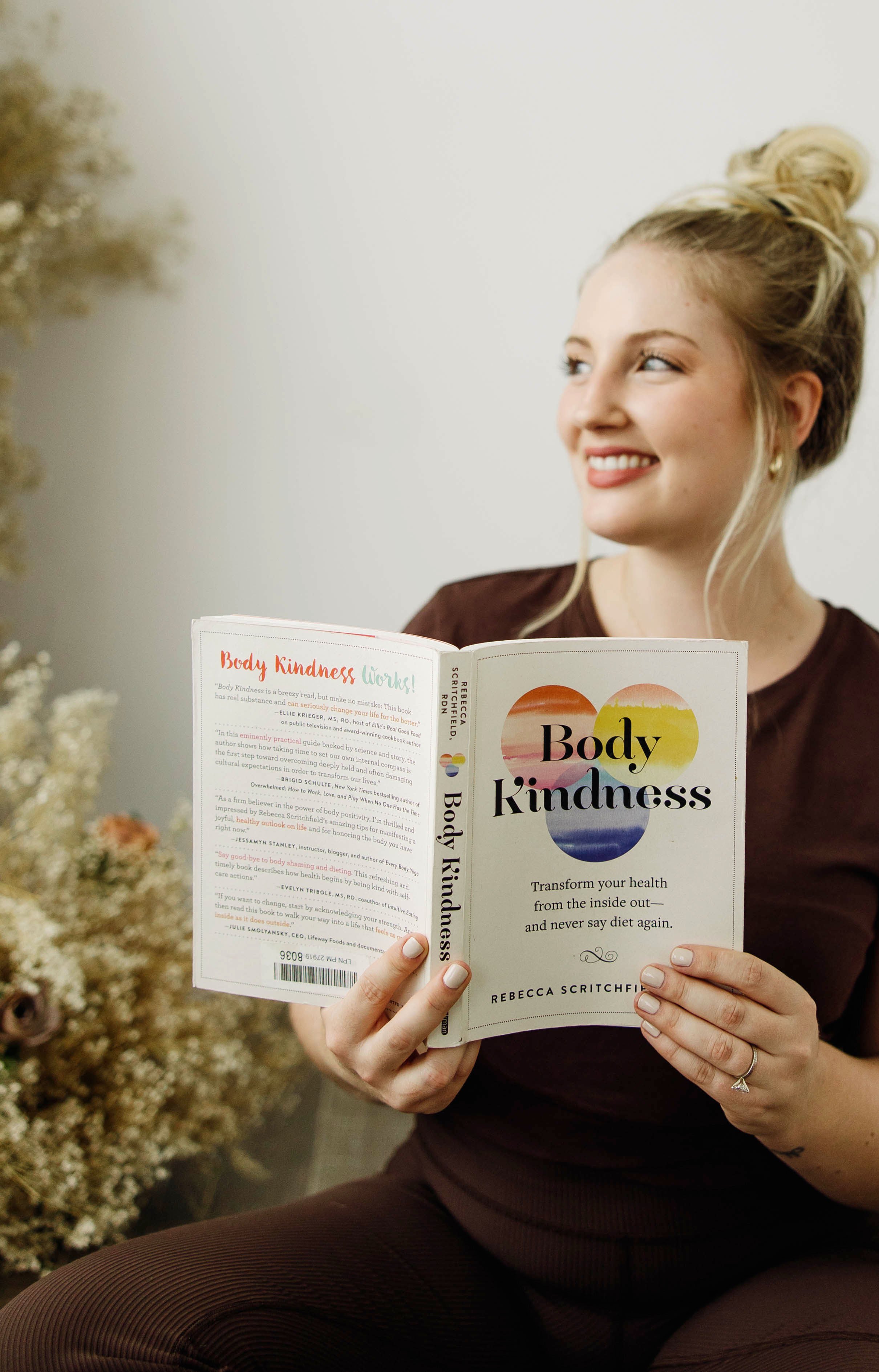
Samantha Blizzard
Registered Dietitian, Certified Intuitive Eating Counsellor and ICF Certified Coach
Physical wellness is not about perfection. It is about showing up for your body day by day. From sleep and nutrition to movement and rest, small habits add up. Below, Samantha Blizzard shares practical ways to listen to your body and make choices that support your energy, mood, and everyday life.
—
What does physical wellness mean to you, and why do you think it’s important?
I think physical wellness can mean something a little bit different to everyone. When working with clients, I’ll often ask what “health” means to them so that we can work toward their version of it.
To me, physical wellness means learning to listen to your body and responding to its needs with respect and compassion rather than judgement. It’s feeling confident in the choices you’re making to show up for yourself, because weight aside, the actual “physical vessel” you’re living in feels much happier and healthier. In my experience, supporting physical wellness long term requires a ton of self-compassion and learning to be okay with doing your best, rather than seeking perfection.
A major part of physical wellness involves practicing tuning into “interoceptive awareness” - learning to notice and respond to your body’s internal signals. In simple terms, it’s really asking yourself, “What do I need right now?” and practicing listening and honouring that need without judgment to create safety in your body. Learning to trust your internal cues is a key part of showing up for yourself, physically.
In my practice, I often talk about “turning up the volume” on your body’s daily communication, noticing what you hear and in time, choosing to honour what it’s asking for. Maybe you’re hungry while in the middle of a work task. Can you pause and have something to eat out of kindness towards yourself? Maybe you’re exhausted from a long week but told yourself you’d go to the gym. Could rest be the more supportive choice tonight while also promising yourself you’ll check back in with how movement feels tomorrow?
Physical Wellness is important because when we can learn to listen to and support our bodies, we feel better in our daily lives and have more capacity to show up for ourselves and the people around us.
Nutrition, sleep, rest, movement, and hygiene are all important parts of physical wellness. Nourishing your body with nutrient dense meals, getting adequate sleep, and moving your body in ways that support things like mental health, mobility, and longevity all play a role. Even washing your face, brushing your teeth and putting on an outfit that feels comfortable and like “you” is a part of physical wellness, in my eyes. Wellness isn’t about perfection, it’s about showing up for yourself in a way that demonstrates kindness towards your body to the best of your ability. It’s deciding that you’re worth caring for. We don’t always have access to every resource, but it’s about doing what you can with what you have.
How does taking care of our physical wellness show up in our energy, mood, or daily life?
Taking care of our physical wellness often creates a ripple effect that touches many areas of our day to day life.The more you practice listening to your body and honouring its needs, what I often call “body respect”, the more you’ll start to notice that your body rewards you!
For example, you may notice a shift in your energy levels or your mood may feel more regulated simply because your body feels safe and heard.
It can also show up in really practical ways throughout the day. You might notice that it feels easier to move your body through your day, things like walking up the stairs or lifting groceries feel a bit easier because your body feels stronger and more supported. Something as simple as choosing to have a snack to bridge your hunger between breakfast and lunch can help stabilize your energy levels, supporting your blood sugars instead of running on empty.
When we prioritize things like adequate nourishment, rest, movement, hygiene, etc. it doesn’t just benefit our bodies, it helps us show up more fully in our lives. We may find that we have more capacity to be present and to take in more of what life has to offer as well.
Are there subtle signs that might tell someone their physical wellness is a bit off?
A lot of my clients initially describe a feeling like this: “Weight aside, I just don’t feel good, physically. I feel blah, no energy. I don’t feel like I’m showing up for myself. I don’t feel happy with myself or confident in the choices I’m making when it comes to my health and wellness.” That sense of feeling a bit disconnected from yourself can often be a sign that your physical wellness needs some support.
Some common signs I see in my clients include low energy, feeling like you “just have to get through the day” instead of moving through the day with a bit more ease, joy or even neutrality. You might notice waking up exhausted, an increase in aches and pains day to day without doing intentional movement, or uncomfortable/abnormal changes in bowel habits/overall digestion. You may notice low mood, increased irritability or low motivation or desire to do things that you know, logically, would help you feel better. Moving your body may feel impossible and grabbing a coffee instead of a balanced breakfast may just be your default. You may even notice yourself isolating and finding less enjoyment in things that used to feel fun to you.
What’s a good way for people to check in with themselves and see where they’re at with their physical wellness?
One important step is making sure you’re doing your best to show up for your health from a medical perspective, things like getting regular routine blood work and attending medical appointments.
Beyond that, it can be helpful to check in with a few different areas of your day to day life.
First, you might think about hunger and nourishment. How hungry are you when you arrive at meals? Are you ravenous or almost panicked because you’ve waited too long to eat? Do cravings tend to ramp up in the afternoon or evening? You might also notice how you feel after meals- do you feel energized, or often “blah,” tired, and lethargic? These can be signs that your body could use more nourishment throughout the day or that there’s some disconnection from your hunger and fullness cues.
You can also check in with hydration. Is your urine usually dark yellow, or closer to light yellow or clear? Do you drink very little water during the day and end up feeling dehydrated by the evening?
You might notice how your body feels physically. Does laying down for a while feel harder on your body than you think it should? Are you able to carry out daily tasks with relative ease, like walking up the stairs or carrying groceries? Or does everything tend to feel tight, achy, or easily strained?
It’s helpful to check in with rest. Do you feel guilty for resting, even when your body feels like it’s asking for a break? When you do rest, do you spend the whole time feeling like you “should” be doing something else?
Another helpful area to reflect on is how quickly you’re moving through life. Are you rushing from task-to-task all day? Eating very quickly and barely taking a full breath? Do you feel like you’re running like a motor all day and then crashing later on?
Looking at these areas can help you notice patterns and understand what your body might be asking for.
How can we make choices around physical wellness that actually line up with what matters most to us?
A helpful place to start could be exploring your core values if you haven’t already. This is something you can simply reflect on yourself or work on with a trained professional like a therapist, counsellor, or dietitian if you need additional support and guidance. Once you gain an understanding of your values, you can reflect on whether the way you’re showing up for yourself is in alignment.
For example, one of my highest values is flexibility. Because of that, it’s important for me to have a way of eating and moving my body that allows for the natural ups and down of life.
For me, that can look like giving myself permission to go out to eat once in a while and order what I truly feel like having. At the same time, I aim to include a variety of nourishing meals and foods that support me through the week.
Being flexible also means that I don’t have to be someone who meal preps every week, but instead, can recognize when meal prepping would serve me during a particular busy time. Other weeks, I’m okay going with the flow.
The same goes for movement. I don’t want to feel like I have to stick to one specific type of exercise. It’s got to be okay for me to do a yoga class for example when I’m feeling up to it and to choose a walk outside instead if I’m in an outdoorsy mood.
It means in the warmer months I may get more movement or steps in, and during colder months I may choose to rest and stay cosy more often.
Physical wellness becomes much more sustainable when it actually fits your life and reflects what matters most to you.
It’s important to stop comparing your own physical wellness to the online influencer, your coworker, or the family member who “lost the weight” or just seems “good at wellness”. Just because something works for someone else, it doesn’t mean it will work for you. Your nutrition, movement and rest needs are incredibly individualized, and what your body needs will change from day to day. This is why building trust within yourself is essential so you can find what actually feels good in your body, specifically, and let that guide how you show up for yourself.
If someone wanted to take just one small step this week to support their physical wellness, what might that be?
Slow down and check in with yourself.
Try gathering information/data about your body again, without a side of judgment. Commit to one day where you move a little slower from task to task, turn the volume up on what your body might be asking for, and practice noticing with curiosity.
For example, maybe you notice you’re hungry AGAIN, and it doesn’t feel logical based on when you last ate. Instead of telling yourself “I shouldn’t be hungry”, can we get curious and say “Huh. That’s interesting. I wonder why I’m noticing hunger so soon after I just ate?”.
Maybe you experience a “crash” feeling on days when you have a second morning coffee. Hmm…Interesting.
Maybe you notice that when you go to bed at 11 PM, you have a hard time waking up in the morning. Ok…Interesting.
Maybe you notice that when you attend that yoga class once a week, your body aches a little less. Interesting, once again.
The goal isn’t to immediately fix or judge these things, it’s simply to start paying attention and getting curious about what your body might be trying to tell you so that you can begin to make shifts that feel good, physically moving forward. This practice has the ability to move us into a place of body trust, where we can remove some of the shame we feel around our choices and instead develop an understanding, respectful relationship with our bodies.
Are there little daily habits that make a bigger difference to physical wellness than people realize?
Absolutely! I truly believe the smaller, most consistent habits can have the biggest impact on our overall health. Here are a few examples.
Going to bed earlier than you think you should. Sleep is often under prioritized, especially when we don’t get enough “us time” throughout the day, it’s common to push bed time- but the lack of sleep adds up quickly and can become very stressful on the body.
Learning to listen to and honour your hunger. Do you notice strong cravings, especially for sugar or calorie-dense snack foods? That’s often a sign that you’re not eating enough. The thing I see the most with my clients? Unintentional undereating leading to increased food preoccupation and being hard on yourself for “always thinking about food”.
Relying less on caffeine for your main energy source and choosing to have a snack and some hydration instead can help keep your energy steady throughout the day.
Getting a few more steps without attaching it to weight loss goals or Apple Watch rings. Even small actions like parking a bit further away, taking the stairs, or doing a few squats while brushing your teeth, can make a difference without feeling overwhelming and can become a motivator to increase physical activity throughout the week.
Give yourself permission to actually rest. Plan a “guilt free” rest day to get used to what this might feel like. Write it in your calendar and fully allow yourself just for that day. Lay down and enjoy that TV show, take a nap, catch up on some reading.
These small, everyday habits add up over time and often make a bigger difference than people realize.
How can people take care of their physical wellness in a way that actually fits their own lifestyle, instead of following a generic plan?
I don’t provide generic plans, because they tend to have an expiry date for about 99% of people. Life happens, circumstances change, life is always “lifeing.” Generic plans keep us in the “all or nothing” cycles. If you want to make sustainable habit change, you need an individualized approach. One that works for you, and only you.
I strongly believe that finding physical wellness that fits into your life for the long term requires self discovery and an understanding that what works will shift depending on the chapter you’re currently in. It means exploring what physical wellness truly looks like for you, and why it might feel difficult to show up in ways that align with that definition, day to day.
Once you understand the barriers standing in your way, you can begin asking: what would it look like to show up for myself when I can and how can I simultaneously practice self-compassion for myself when I can’t? What would it look like to show up for myself when things don’t go as planned, without letting that turn into a feeling of failure that stops me completely? This takes the pressure off of “showing up perfectly” and allows us to go with the flow of daily life easier.
It can help to think about what it looks like to show up for yourself physically on a harder day versus an easier day and have a plan for each circumstance.
For example, on a harder day it might mean having a few go-to “backup” options for meals or snacks that still feel good in your body when you don’t have the capacity to cook or plan something elaborate.
Or maybe it looks like committing to a 10 minute walk on your lunch break and taking the stairs that day because your energy didn’t allow for anything more than that.
When physical wellness is flexible and realistic, it becomes something you can continue showing up for over the long term.
What are some common myths about nutrition or lifestyle that make physical wellness feel more complicated than it really is?
There are many many myths that can make physical wellness feel much more complicated than it actually needs to be, keeping people stuck. I often call myself a “myth buster” for this reason.
There’s the common belief that healthy eating means meal prepping elaborate recipes on Sunday and eating perfectly balanced, beautiful meals for breakfast, lunch, and supper every day. Nourishing your body doesn’t have to be that complicated. In fact, this idea often keeps people stuck in a cycle of either “doing it perfectly” or feeling like they’ve failed for years and years.
Another common one is the idea that you need to work out for X amount of time, or it doesn’t count. In reality, all movement counts and adds up over time. This way of thinking often keeps people stuck in an all-or-nothing cycle. We are human, and so there just isn’t a world where we can expect ourselves to show up for example -an hour a day, every day, forever.
Or how about the “no pain, no gain” mentality? The belief that you should push yourself to work out even when you’re exhausted. In reality, moving your body without adequate rest is often just a recipe for yet another bodily stressor.
Many of us hold a belief that health has a certain “look.” Thin, but not too thin, strong, defined muscles, a particular BMI, a specific clothing size, you name it. This commonly keeps us stuck striving for a body size that may not actually be where our body feels most comfortable, ultimately leading to restrictive practices, ignoring what our body is asking for and creating more stress on the body and mind. The result? Often increase in risk for chronic disease, a very harsh inner dialogue, intense feelings of failure when years go by without meeting the “look”, number on the scale or pant size you have in your mind.
Physical wellness tends to become much simpler when we move away from rigid rules and focus instead on consistency, flexibility, and listening to what our bodies actually need.
—
Wellness is a practice not a checklist. Tune into your body, respect its signals, and make choices that fit your life. Every small step matters and your body will thank you for it.
Connect with Samm:
Samantha Blizzard, Registered Dietitian, Certified Intuitive Eating Counsellor and ICF Certified Coach
📞 506-333-5846
💌 intuitiveyou.nutrition@gmail.com
🌐 www.intuitive-younutrition.com
📸@selfcare_samm
