
The Quiet Influence of Your Environment: Creating Spaces That Support You
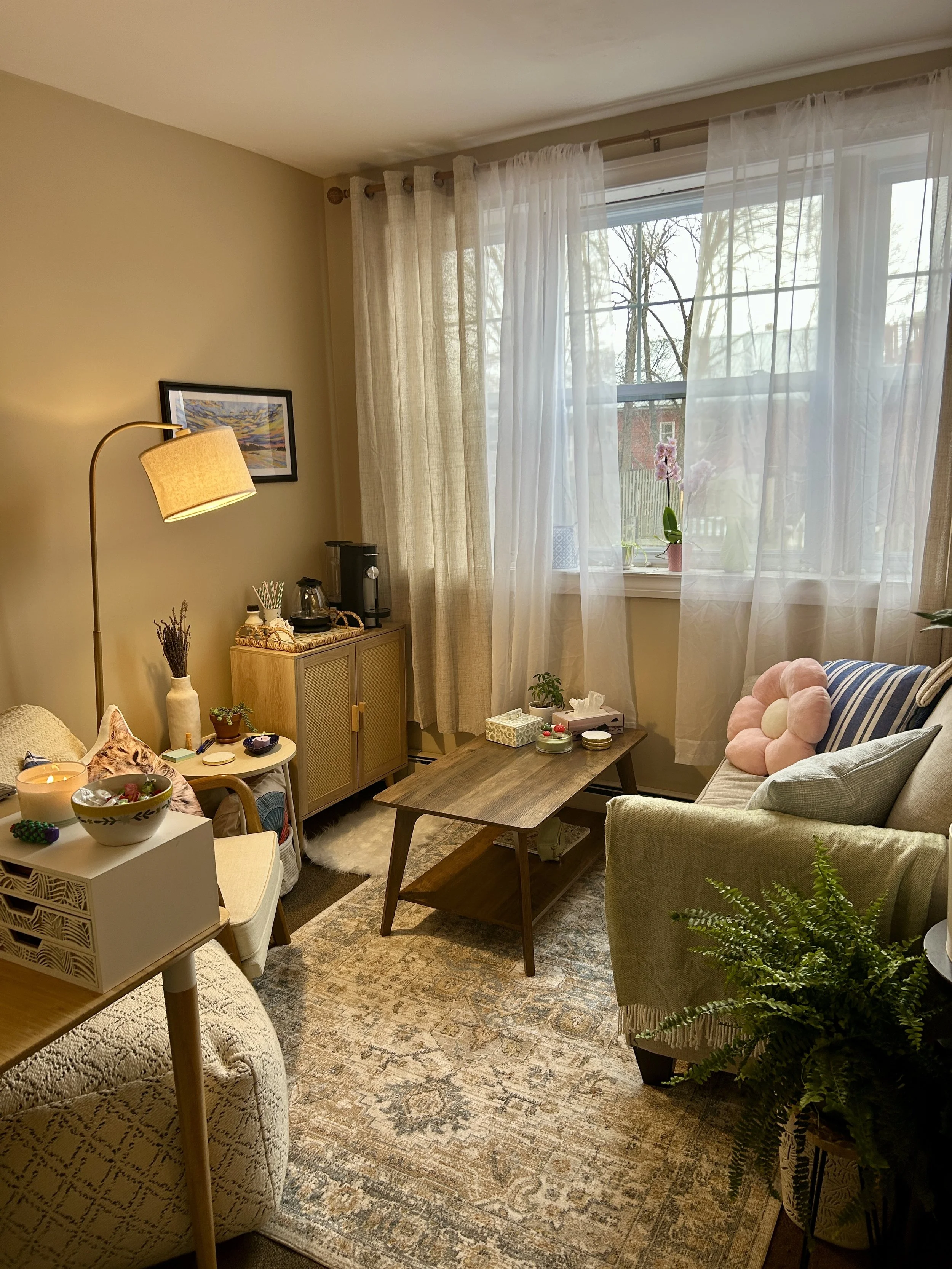
Environmental wellness focuses on the connection between you and your surroundings and how that connection shapes your day-to-day experience. This includes your home, your workspace, and the broader environment around you. It also involves awareness of how your actions impact the environment.
What does environmental wellness look like in everyday life?
It shows up in many ways, including:
Reducing, reusing, and recycling when possible
Being mindful of how your actions affect others, such as smoking in shared spaces
Noticing how your home feels, including lighting, noise, comfort, and layout
Being aware of your environmental impact such as waste, pollution, and resource use
Taking part in protecting your local environment
How do our surroundings affect our mental health?
Your environment is not just a background. It can either drain your energy or support it.
Constant noise, overcrowded spaces, and lack of privacy can increase stress, drain energy, and make it harder to focus. Over time, this can contribute to fatigue, irritability, and feeling mentally overloaded.
On the other hand, calm and supportive spaces can help regulate mood, improve focus, and support overall well-being.
Why does our environment matter so much?
Our environment is considered one of the key determinants of health.
Some of the important factors include:
Air quality
Noise levels
Access to natural light
Amount of personal space
A few examples to consider:
Overcrowding can lead to frustration and reduced privacy
Limited natural light can affect sleep and mood
High noise levels, such as traffic or neighbour noise, can increase stress and disrupt concentration
Smaller living spaces without adequate room or privacy have also been linked with lower well-being.
How does nature impact well-being?
Spending time in natural environments such as around trees, water, and green spaces has been linked to reduced stress and improved mood. Even short exposure can support regulation of the nervous system.
This can include:
Walking in natural spaces
Sitting near trees or water
Listening to natural sounds such as rain or birds
Having indoor plants or nature imagery in your space
These experiences can support focus, calm, and overall mental clarity.
How can you reduce your environmental stress at home?
Small shifts can make a noticeable difference.
To reduce noise:
Use earplugs or white/brown noise machines
Add soft furnishings such as rugs, pillows, and curtains
Schedule “Do Not Disturb” times on your phone
To improve comfort:
Adjust lighting to feel softer and more natural
Create a mix of open and cozy areas
Choose decor that feels calming and aligned with your preferences; don’t be too focused on the coolest new trends
To support air quality:
Open windows (yes, even in the winter! Check out this article about the German practice of “Lüften”)
Be mindful of strong chemicals or pollutants in your space
Plants ♥︎
Does interior design affect well-being?
The design of your space influences comfort, energy, and mood.
Colour, lighting, and layout all play a role:
Colours like yellow, red, and orange can feel energizing
Colours like blue and green tend to feel calming
A balance of open and enclosed spaces can support both comfort and safety
Lighting can influence mood and energy levels (fluorescent lighting doesn’t do much for us!)
Spaces that reflect your personal style and preferences are often associated with lower stress and greater comfort.
How can you make a small, positive impact?
You do not need to change everything at once, take it step-by-step.
This can include:
Reusing and upcycling items when possible
Reducing unnecessary waste
Paying attention to what you already have and using it fully
Making more intentional choices about consumption
A reminder: you absolutely do not have to make all of these changes… that would be overwhelming to say the least. Start with something small, something that actually stood out to you.
Lighting sucks? Get a new lightbulb!
Bare, boring walls? Pick up some frames and tear out your fav pages from an old calendar!
Stagnant air? Open a window for a few minutes!
Whatever you change, add, or get rid of, do it because you love it (or don’t).
Resources
Agrawal, S. (2024). Psychological impact of interior design on home residents. ResearchGate.https://www.researchgate.net/publication/385178125_PSYCHOLOGICAL_IMPACT_OF_INTERIOR_DESIGN_ON_HOME_RESIDENTS
Government of Canada. (n.d.). Noise and sound: Effects on mental health and well-being.https://www.canada.ca/en/health-canada/services/noise-your-health/effects-mental-health-well-being.html
Obeidat, A. M., & Obeidat, A. M. (2024). Interior design strategies for improving quality of life: How can residential spaces reflect a healthy lifestyle and psychological comfort. International Journal of Housing Science and Its Applications.https://housingscience.org/2024%28issue%204%29/20244-07-IJHSA.pdf
Riva, A., Rebecchi, A., Capolongo, S., & Gola, M. (2022). Can homes affect well-being? A scoping review among housing conditions, indoor environmental quality, and mental health outcomes. International Journal of Environmental Research and Public Health, 19(23), 15975.https://doi.org/10.3390/ijerph192315975
Sour Gum. (n.d.). Why environmental wellness matters more than ever.https://www.sourgum.com/the-sour-scoop/environmental-wellness/
Taylor, E. M., Robertson, N., Lightfoot, C. J., Smith, A. C., & Jones, C. R. (2022). Nature-based interventions for psychological wellbeing in long-term conditions: A systematic review. International Journal of Environmental Research and Public Health, 19(6), 3214.https://doi.org/10.3390/ijerph19063214
University of Guelph. (2021, April). Earth day and environmental wellness.https://www.uoguelph.ca/wellnessatwork/news/2021/04/earth-day-and-environmental-wellness
