
Emotions, Connection, and Resilience: A Conversation with Kailea Switzer
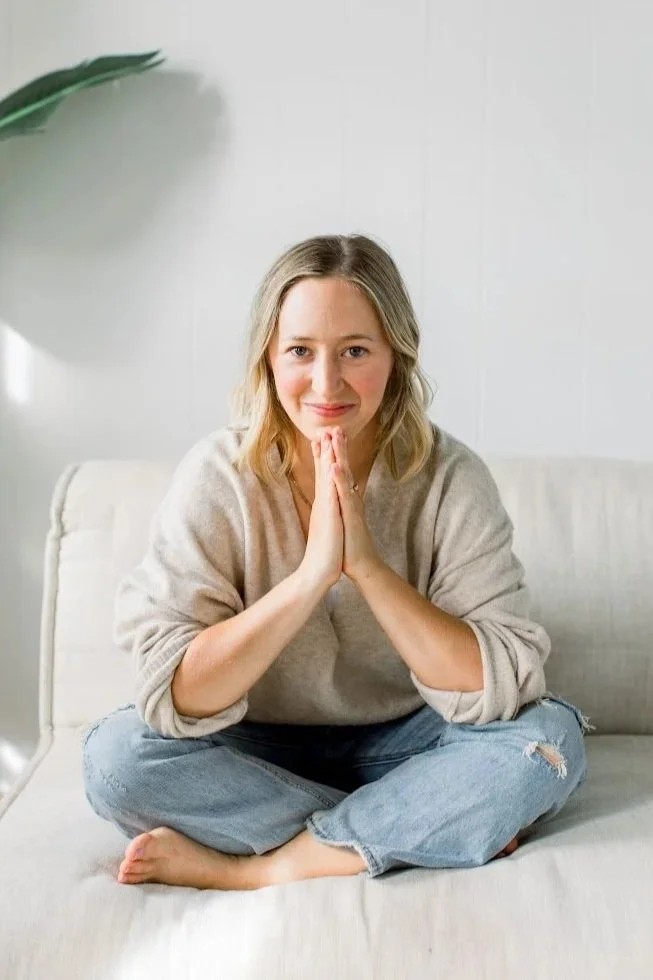
Kailea Switzer
Therapist & Coach
Emotions shape everything, from how we see ourselves to how we connect with others and make decisions. Emotional wellness is not about being happy all the time or controlling your feelings. It is about noticing, allowing, and moving with them at a pace your nervous system can handle. In this conversation, Kailea Switzer explores what emotional wellness really means and shares practical ways to care for yourself, both in everyday life and during high-stress times.
—
What does emotional wellness mean to you?
Feeling connected to ourselves and able to access our emotions. Not being afraid of our feelings, or noticing the fear and staying with it anyway. Letting our feelings move through us at the pace our nervous system can handle instead of bottling them up. Feeling safe enough to sometimes experience the vulnerability of joy and connection, even while we’re also living inside struggle, pain, and uncertainty.
How does emotional wellness tend to affect day-to-day functioning, like focus, relationships, or energy?
It shapes how we feel about ourselves and how we experience other people. It’s like the glasses we’re wearing when we look at the world. They quietly influence how we interpret things and can create a kind of confirmation bias. When emotional wellness is healthier, it supports our ability to protect our own needs and care about others. We’re more thoughtful with our energy, more aware of reciprocity in relationships, and less likely to slip into overgiving or self-abandonment.
What are some common signs that emotional wellness might be off, even if things look “fine” on the outside?
Feeling disconnected from yourself or other people. A long-standing sense of dullness, or like you’re living in a grey world with no colour. Trouble enjoying things you used to enjoy. Feeling regularly irritated or angry over small triggers.
Why can noticing and naming emotions be helpful, even when we’re not trying to change them?
Because it reminds us that we aren’t our emotions. When we can notice and name what’s happening, we create a little bit of space. Our emotions become something we’re experiencing, not something we are. I like the image of emotions as passing clouds, and remembering that we’re the sky.
How do emotions influence behaviour and decision-making in everyday life?
There’s something called the mood congruence effect. When we’re feeling good, we’re biased to make positive, life-affirming choices. When we’re feeling low, our decisions tend to match that emotional state. For example: “I should totally sign up for that pottery class - that sounds fun.” Versus: “I shouldn’t sign up. I’ll probably suck and no one will like me.”
How do people often respond to uncomfortable emotions, and what impact can those responses have over time?
We tend to push them away or resist them, and what we resist tends to persist. We often treat emotions like they’re dangerous or unbearable. But when emotions are allowed to be felt and move through us, they often gradually shift in ways we don’t expect..
Over time, this reduces fear. We also start to notice that emotions are layered - anger often has fear or sadness underneath it. When we let emotions move all the way through, they often become more manageable. Grief is a complex emotion and it isn’t about being resolved - just about integrating it slowly, layer by layer over time, so that the pain can coexist with love and presence.
What role do rest, connection, and boundaries generally play in emotional wellness?
They’re huge. Rest, connection, and boundaries are foundational. Believing we deserve them and building the internal sturdiness to actually enact them is the work.
How can someone support their emotional wellness during high-stress seasons or when emotions feel intense and overwhelming?
During longer high-stress seasons, support often means slowing down, resting more, and reducing expectations on yourself while still maintaining enough structure to feel a sense of anchoring. Reaching out to trusted people to talk it through or journaling can help. Fresh air, water, nourishment, and some gentle movement all matter. Being able to be kind to yourself when you are going through hard times, the same way you would to someone you really love – with compassion and patience. Using cathartic outlets like writing, music, dance, gardening, or creating something can help give pain a release and expression. Thinking about how you can be of service to someone else is also another way to help pain feel more manageable.
In the moment, when emotions spike, it can be even simpler. Movement helps a lot. Even a walk outside. Sometimes I literally ask my kids to run up and down the stairs five times – it genuinely shifts things. A shower can help. Or stepping outside with your feet on the ground and taking a few slow breaths.
Deep breathing is another one – lying down with a short YouTube guided meditation, or just breathing into the very bottom of your belly and slowly releasing through your nose. Even two minutes can make a difference.
Another option is “rage on a page.” Write everything out in a totally unfiltered stream of consciousness – the worst thoughts, the ones you’d never say out loud, even the ones you don’t fully believe. Then delete it, or rip it up. The point isn’t to keep it. The point is complete permission to get it out.
What are some common myths about emotions that make emotional wellness feel harder than it needs to be?
That the goal is to be happy all the time. That we’re supposed to control our emotions. Both of those make the work much harder than it needs to be.
—
Supporting your emotional wellness is not about quick fixes or perfection. It is about giving yourself permission to feel, creating space for reflection, and using simple practices such as movement, breath, expression, connection, and self-compassion to guide you through everyday challenges and more intense moments. Remember that emotions are something you experience, not something you are. With patience and kindness toward yourself, you can move through them with more ease and clarity.
Connect with Kailea!
Kailea Switzer, Therapist & Coach
🌐 kaileaswitzer.com
✏️ kaileaswitzer.substack.com
📸 @kaileaswitzercoaching
🎙 In This New Season
